
Design at PhrasIQ
From brand to product, systems to marketing, this is a glimpse into the work I’ve shaped and led across every touchpoint.
Project Details
0 → 1
Project Type
Founding Product Designer
Role
Fintech
Industry
My role
I joined PhrasIQ as the Founding Product Designer when there was no design function in place. I shaped the product from the ground up and established its visual, interaction, and system foundations.
As the company grew, I built and now lead a team of three, working with two product designers and a front end developer. This project reflects everything I do at PhrasIQ, what I like to call all things design.
Overview
Brand Foundation - Rebranding
Logo, colors, fonts, and overall visual direction. "end to end design"
Website Design to Launch
From initial concepts to AI Studio iterations and Webflow hosting
Building Design System
Figma library, reusable patterns, and product-wide consistency
Marketing & Sales Assets
LinkedIn content, pitch decks, and external brand communication
Spark
Brand Foundation
I began by defining the brand from the ground up. This included building the brand kit and designing the company logo, setting the visual direction and tone for everything that followed. This foundation guided the choice of fonts, colors, and overall visual language across company documents, social media, and all brand touchpoints.
Before

After

Frame
Website Design to Launch
I designed and built the website from scratch, starting with early concepts and layouts. As we evolved, we moved to Google AI Studio, where I structured and loaded the data and iterated on the design to reach the current version of the website. We were later sponsored by Webflow with a free subscription, and the final design was implemented on Webflow by our front end developer, following the design direction closely.
Build
Building Design System
Before building a design system, the team relied heavily on AI-generated UI with no shared design direction, leading to inconsistencies and rework. The system introduced structure, consistency, and reusable components, enabling faster iteration and cleaner handoff between design and engineering.
Before
After
Impact
Voice
Marketing and Sales Enablement
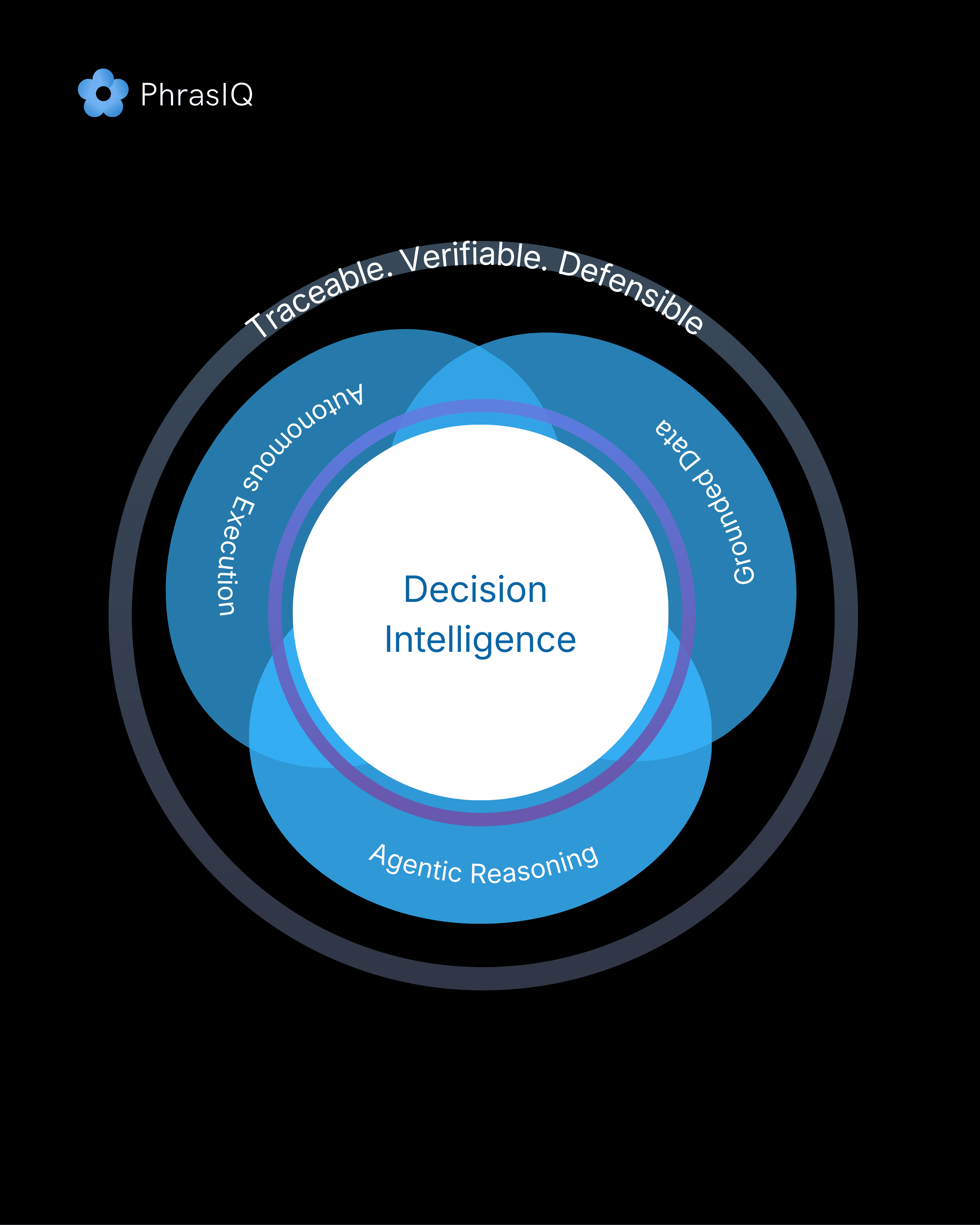
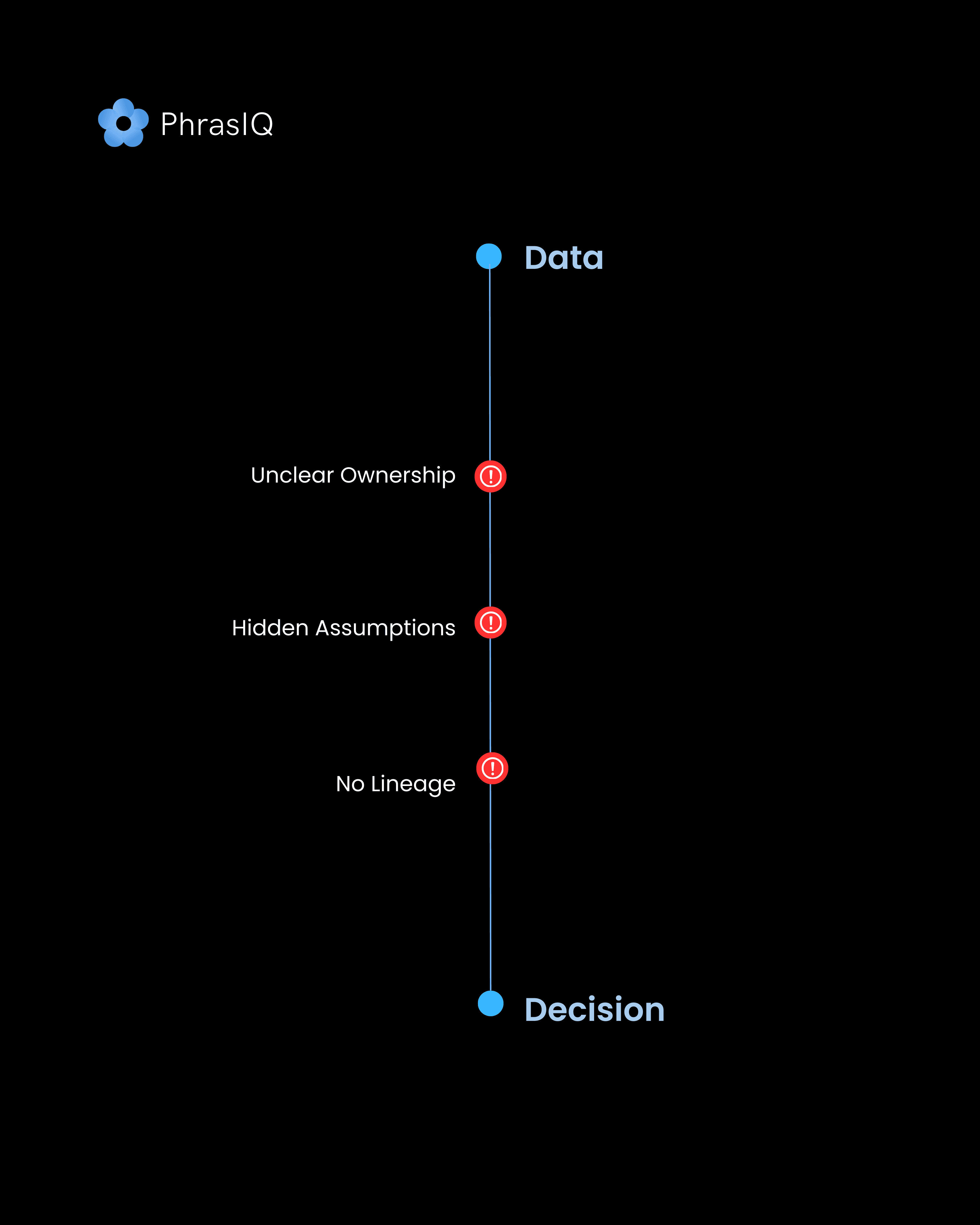
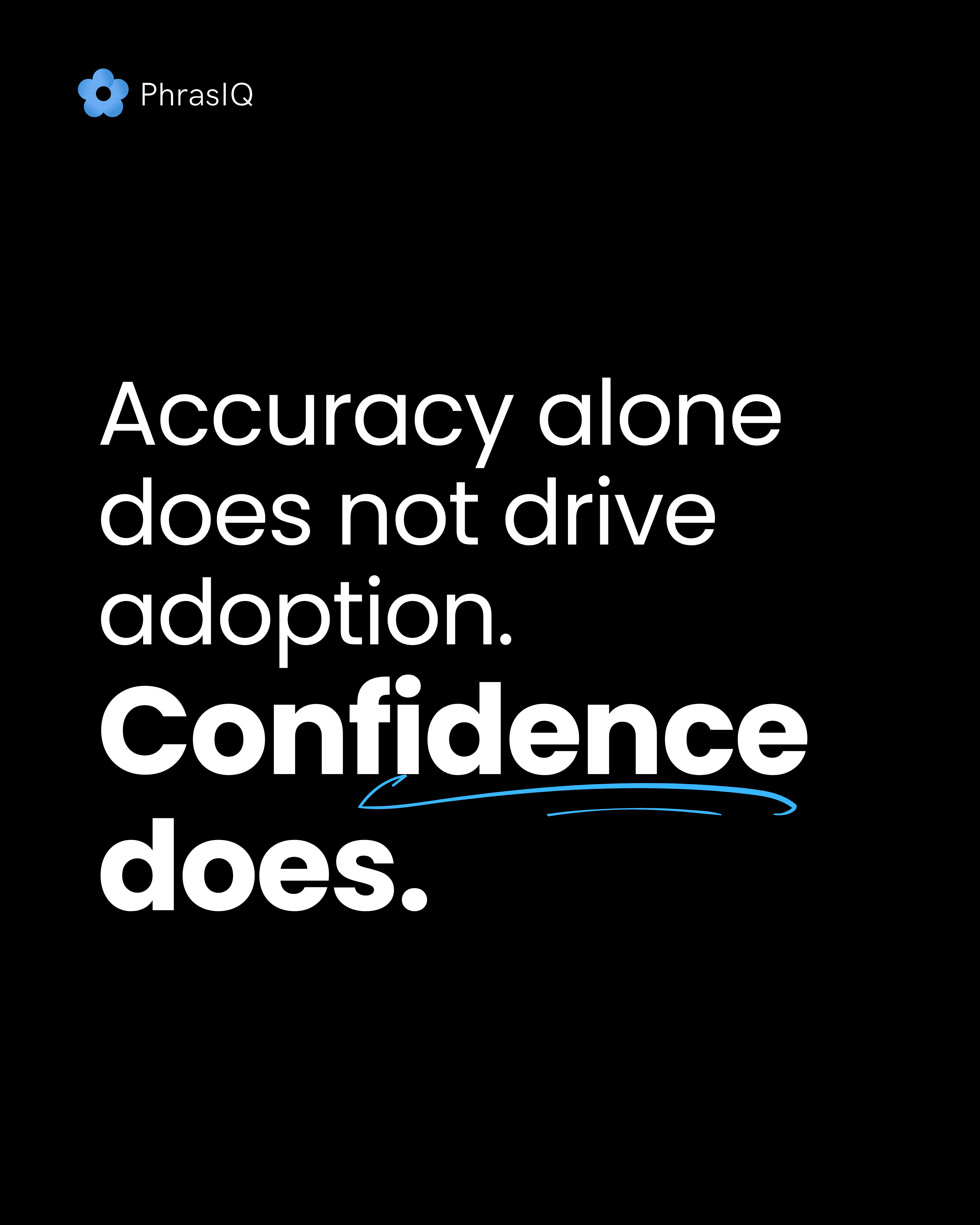
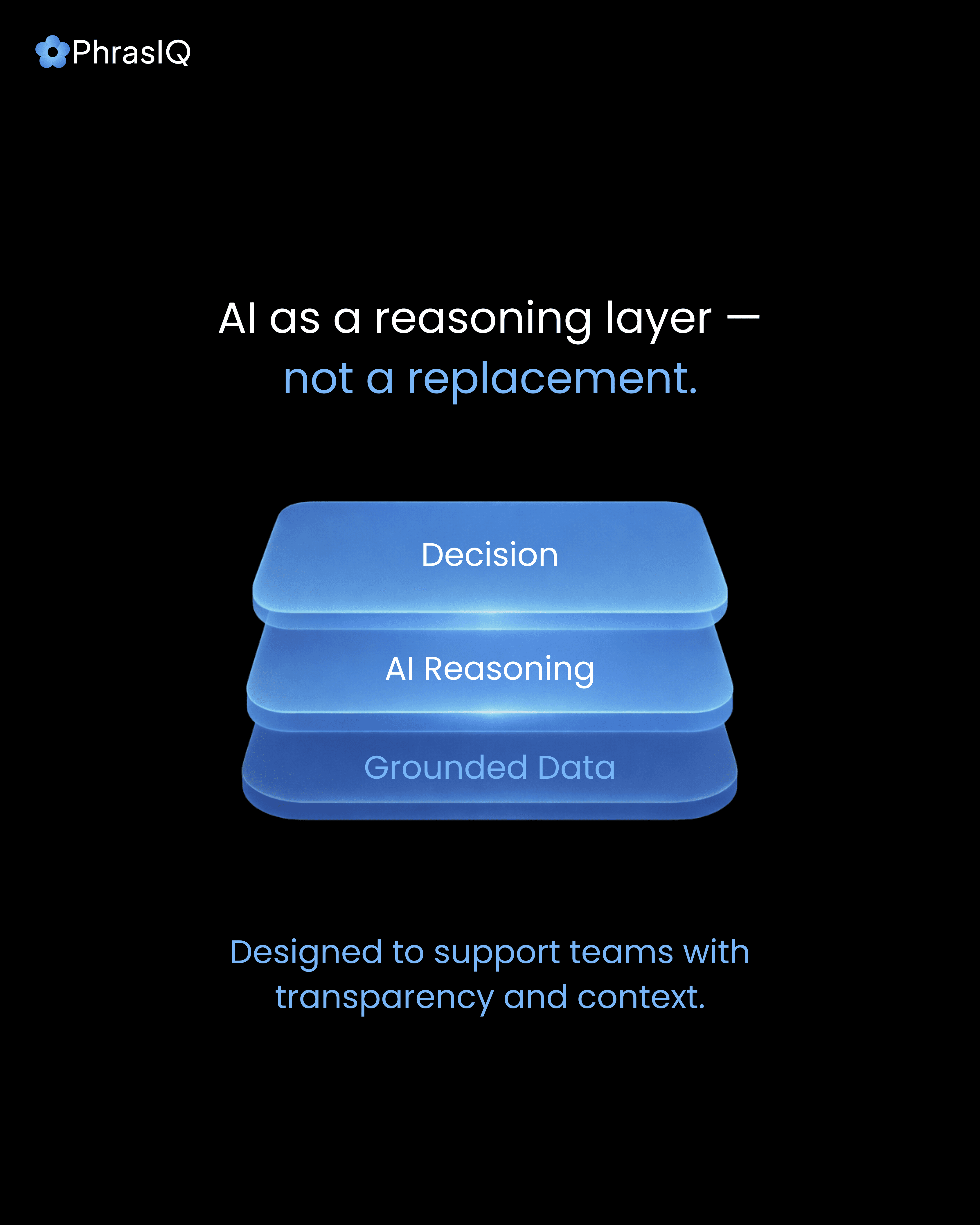
Beyond product and systems, I also design marketing assets that support growth and sales. This includes LinkedIn content and sales pitch decks, ensuring consistency with the brand and clarity in messaging. These designs help communicate the product’s value clearly while maintaining a strong and cohesive visual identity across external touchpoints.
Conclusion
Note on Confidentiality
This project highlights the design work I’ve done at PhrasIQ, covering brand, product, systems, and marketing. Due to NDA restrictions, many details and proprietary screens cannot be shared, but this overview reflects the scope, impact, and approach I bring to all things design.